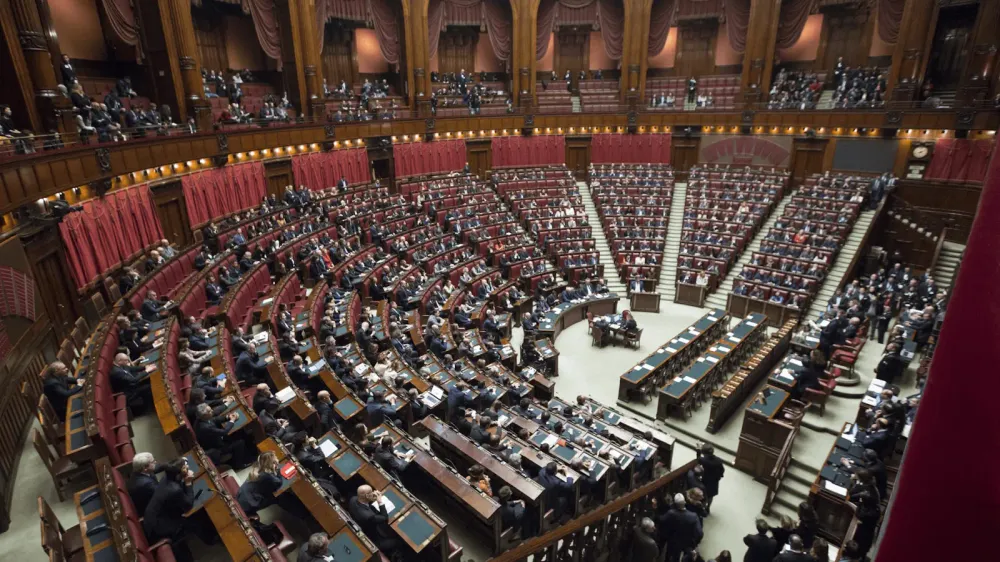


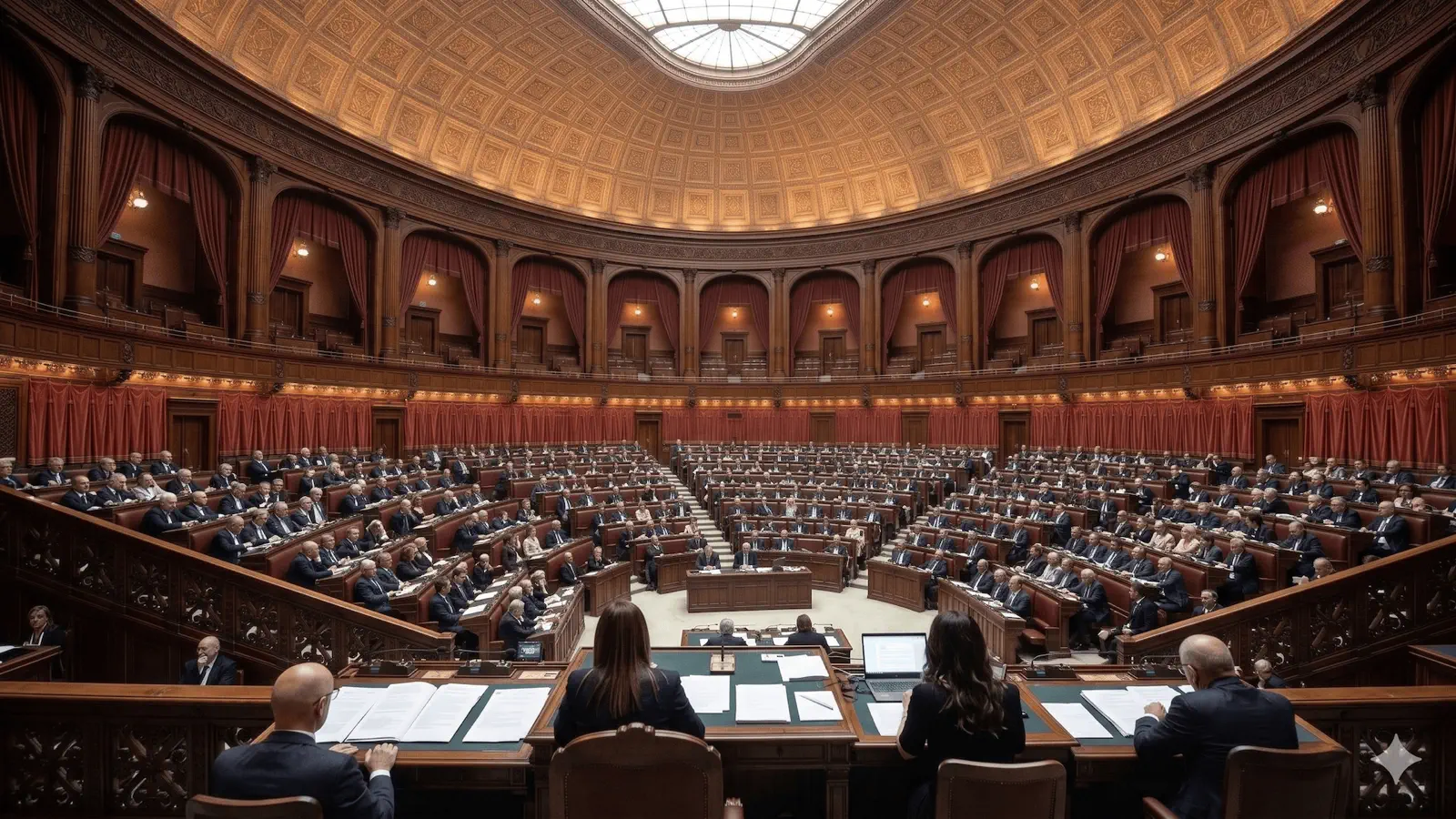
WASHINGTON — The Senate cleared a procedural hurdle on Wednesday evening to begin floor debate on a bipartisan border package that has been redrafted seven times since negotiations began last winter, marking the first significant movement on the issue this Congress.
The motion to proceed passed 64-34, with eleven Republicans joining all but four Democrats in moving the bill forward. Final passage is not assured, and amendments expected later this week could either pull the coalition apart or harden it.
The legislation pairs a new expedited asylum authority — long demanded by Republican negotiators — with expanded work-permit pathways for backlogged applicants and a one-time appropriation to clear the immigration-court docket.
What is in the bill
The package, titled the Border Security and Migration Authority Act, would empower the Department of Homeland Security to invoke faster removal procedures when daily encounters at the southern border exceed a defined seven-day rolling threshold. The threshold begins at 5,000 average daily encounters; both sides made concessions to reach that figure.
It would also fund roughly 9,400 new asylum officers and immigration-court personnel over four years, double the current pace of recruiting, and create a discretionary work-permit category for applicants whose cases have been pending longer than fourteen months.
The path through committee
The bill emerged not from a single committee but from a small bipartisan working group whose members alternated drafts in private. That structure allowed the legislation to bypass the Judiciary Committee, where progressive members had signaled they would attach asylum-restriction language designed to make the bill unviable.
It also created its own risks. Several committee chairs whose jurisdictions intersect with the bill have asked for floor time to offer substitute language, and leadership has agreed to allow at least three such amendments to be debated.
Where the coalition could fracture
The fault lines are visible. Three Republican senators who voted yes on the procedural motion have already indicated they may oppose final passage if an expected amendment to expand work-permit eligibility is adopted. On the Democratic side, four members of the working group have warned they would withdraw support if the asylum threshold is lowered below the 5,000 figure.
The leadership of both parties have so far avoided public horse-trading. Aides describe the strategy as “keeping the temperature down” until the bill is closer to final passage, when leverage shifts and quiet incentives can be offered without making news.
What the White House is signalling
The administration has not formally endorsed the bill. The president, asked about the measure during a Rose Garden event on Wednesday afternoon, said only that he would “sign a bill that secures the border without abandoning the people already in the system.” That phrasing closely mirrors the working group's framing.
Privately, senior White House officials have told Senate negotiators they consider the package the best vehicle available this year and have urged Democrats to vote yes on amendments that, while imperfect, will not poison the underlying bill. Whether that quiet pressure holds through the amendment process is the question that will define the rest of the week.
The clock
The Senate is scheduled to be in recess from Friday for ten days. Leadership has signalled it will keep the chamber open into the weekend if necessary to complete the bill, an unusual move that itself signals how seriously both parties are treating the moment.
If the bill passes the Senate, the path in the House becomes harder. The Speaker has not committed to bringing the measure to the floor, and committee chairmen have begun to circulate language for a competing version that would strip out the work-permit provisions entirely.
For now, the focus is on the next 72 hours. The Senate has cleared one hurdle. Eight more lie ahead.